
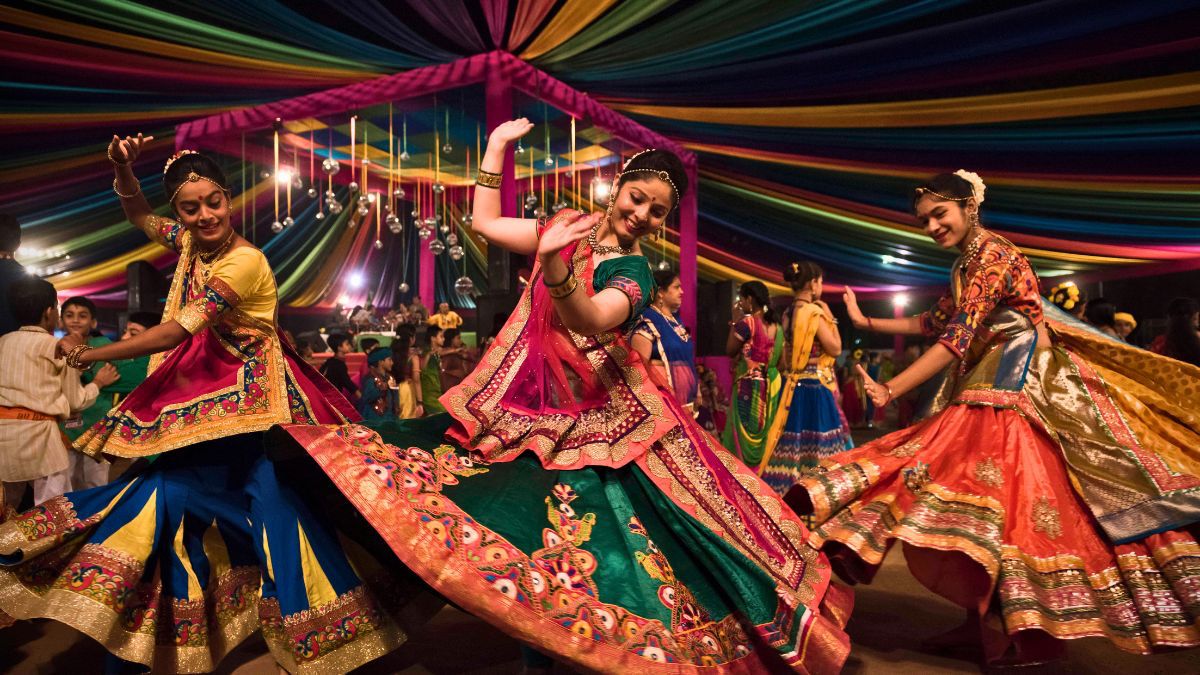
Knee replacement is a life-changing surgery for many Indians suffering from advanced osteoarthritis. While pain relief and improved mobility are the primary goals, patients often ask: “Can I dance again?” Given how important dance is in Indian culture — weddings, festivals, classical forms, folk dance, Bollywood, etc. - this is a very reasonable question.
In this article, we review the evidence about dancing after a knee replacement: safety, benefits, when and how to start, safe dance types, and practical rehabilitation tips.
| Timeline | Focus | When dancing might begin | Caveats |
|---|---|---|---|
| 0–6 weeks | Pain control, wound healing, gentle ROM, walking. | No dancing yet | Protect incision, follow therapy closely. |
| 6–12 weeks | Strengthening, balance, active physiotherapy. | Light dance moves (gentle swaying, rhythm steps) | Avoid twisting, deep bends, high impact. |
| 3–4 months | Further strength, endurance, flexibility. | Low-impact folk/bollywood moves | Avoid squats, extreme flexion, fast pivots. |
| 6+ months | Complex moves if recovery is good. | Most dance styles possible (modified) | Monitor pain/swelling, rest as needed. |
Safer: Folk dances, classical with limited deep bends, ballroom, light Bollywood.
Higher Risk: Jumps, leaps, sudden pivots, deep-knee postures.
Dancing after knee replacement is often possible — with modifications, proper rehab, and patience. It provides immense physical, emotional, and cultural benefits, but high-impact or premature dancing carries risks.
For Indians, dance is more than exercise; it is part of life. With the right approach, many patients can return to dancing after knee replacement — not exactly as before, but with joy, safety, and confidence.
2024 © THE KNEE CLINIC. All rights reserved.Designed By E9DS
